

Stedelijk Museum Kampen x Kunstsokken
Two artists. One city. 270 years apart.
It is the winter of 1608. The canals are frozen solid. Parts of the Wadden Sea too. A twenty-three-year-old man stands watching along the IJssel. He cannot speak. His contemporaries call him De Stomme van Kampen — the Mute of Kampen. But he draws everything.
Well over two centuries later, a farmer's son is born in that same corner of the Netherlands. He grows up to paint the flood plains, the cattle, the wide skies above the water. He barely leaves them for the rest of his life.
Hendrick Avercamp and Jan Voerman sr. never knew each other. They shared no time, no conversations, no studio. But they shared the same city, the same water, and the same love for what surrounded them.
Now, in collaboration with the Stedelijk Museum Kampen, we bring their work together in a one-time museum collection.
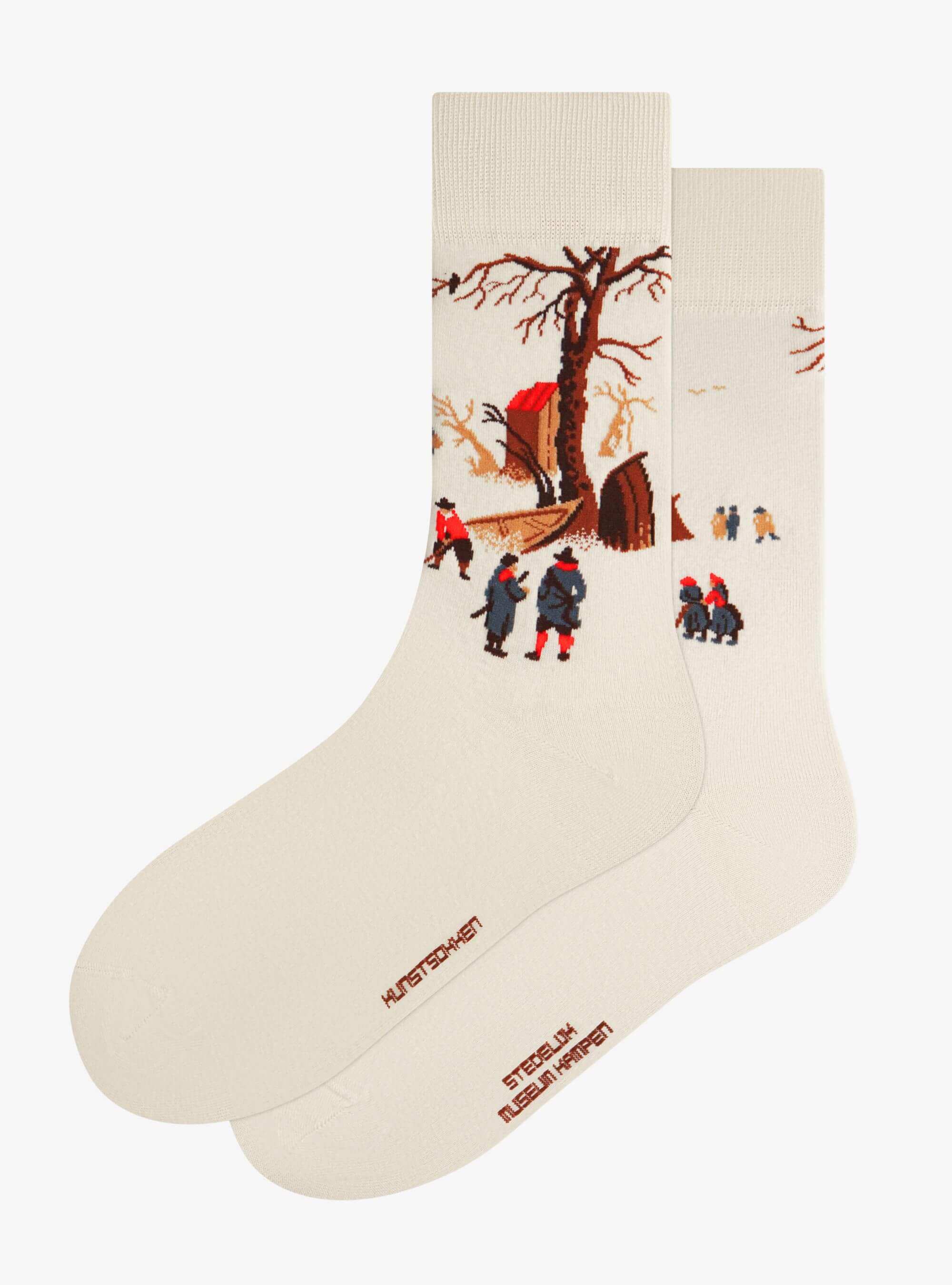
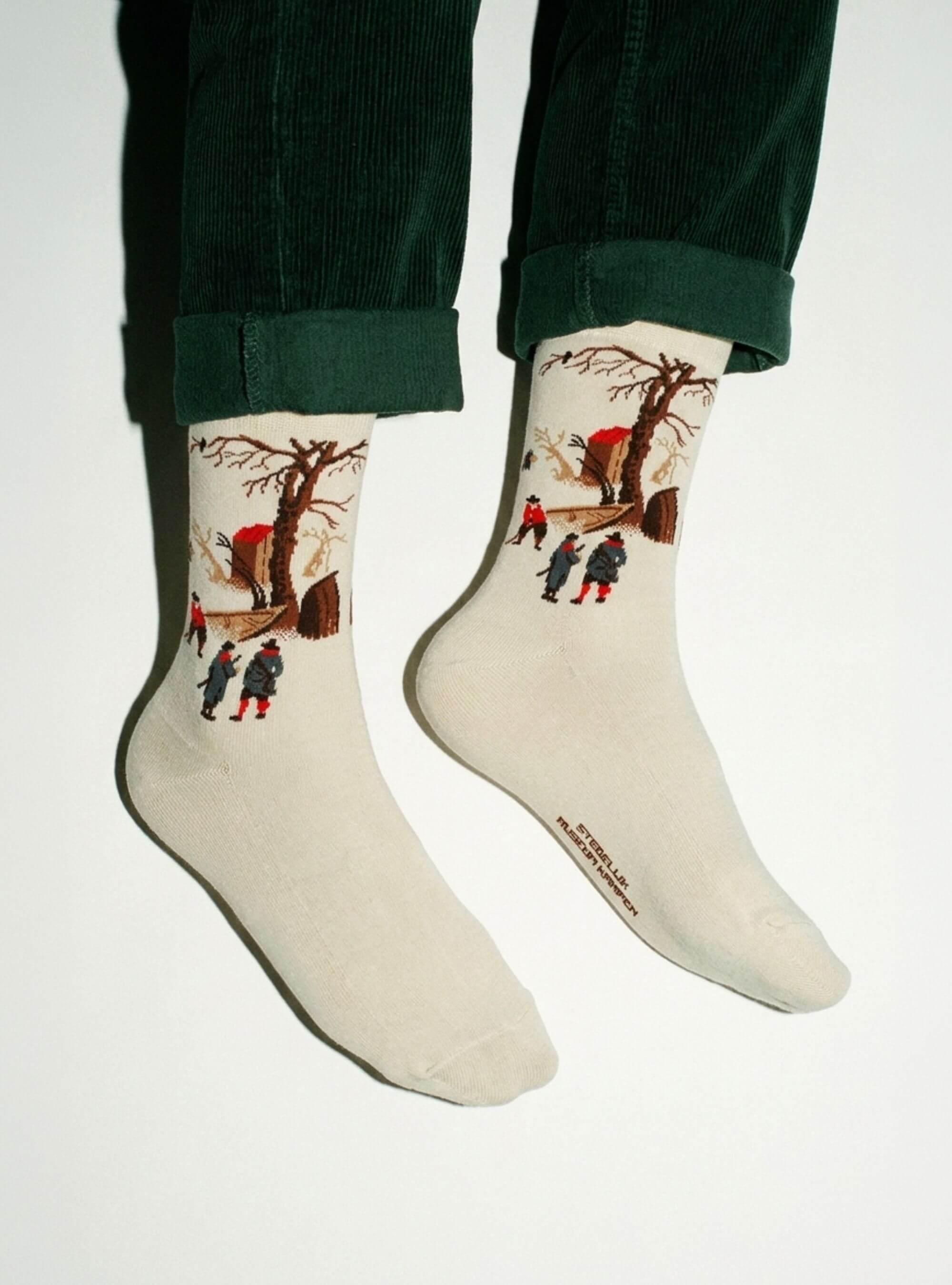
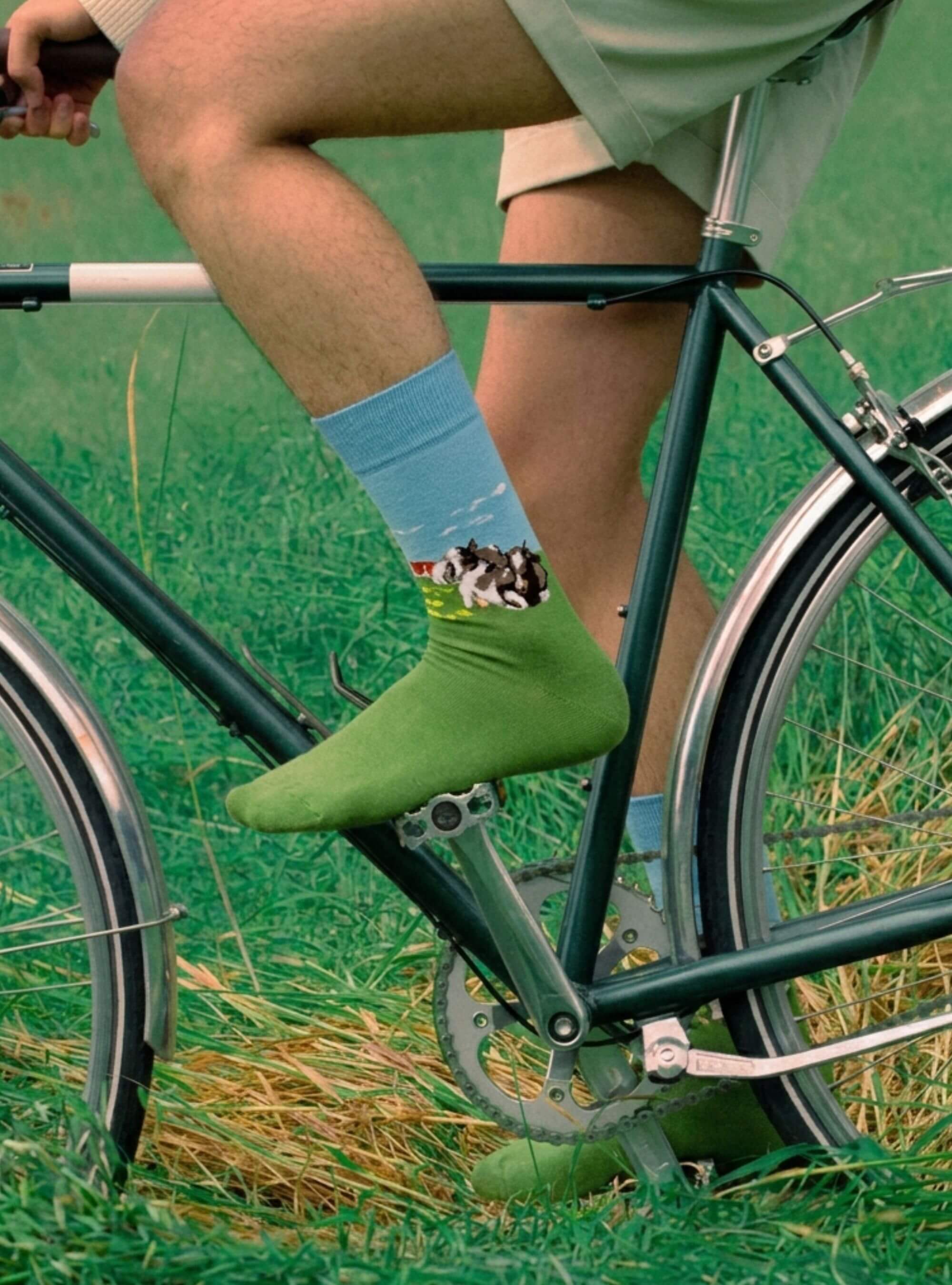
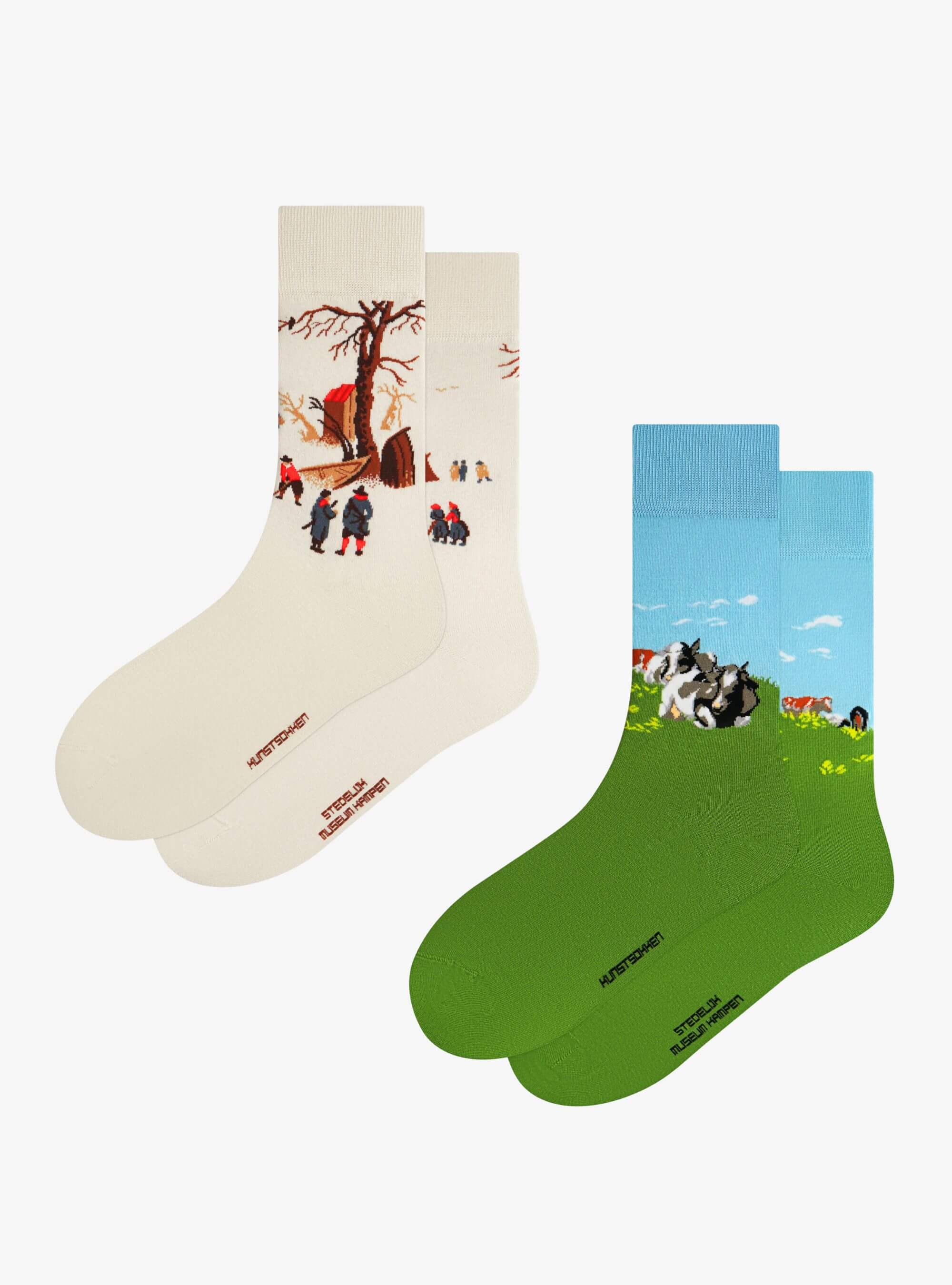

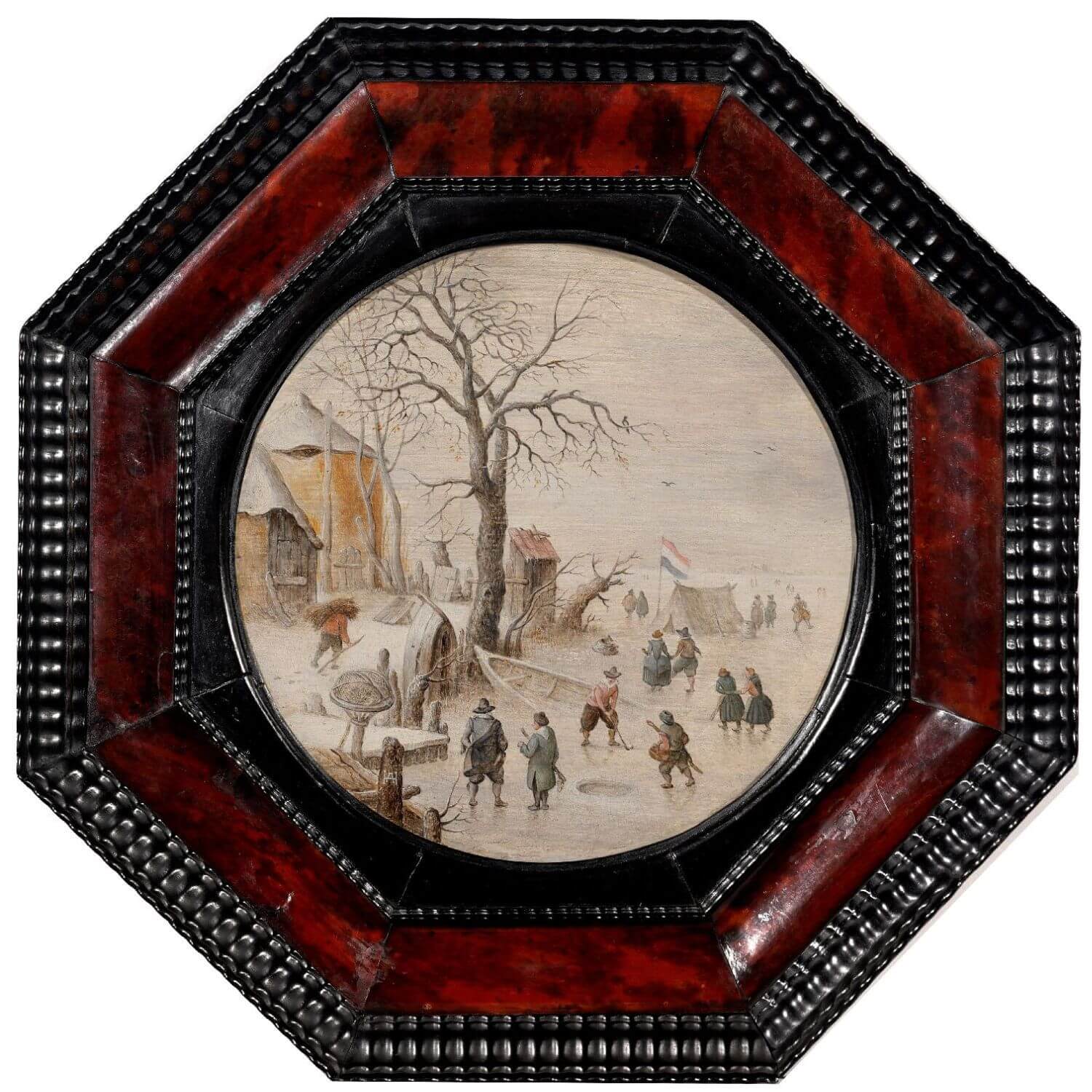
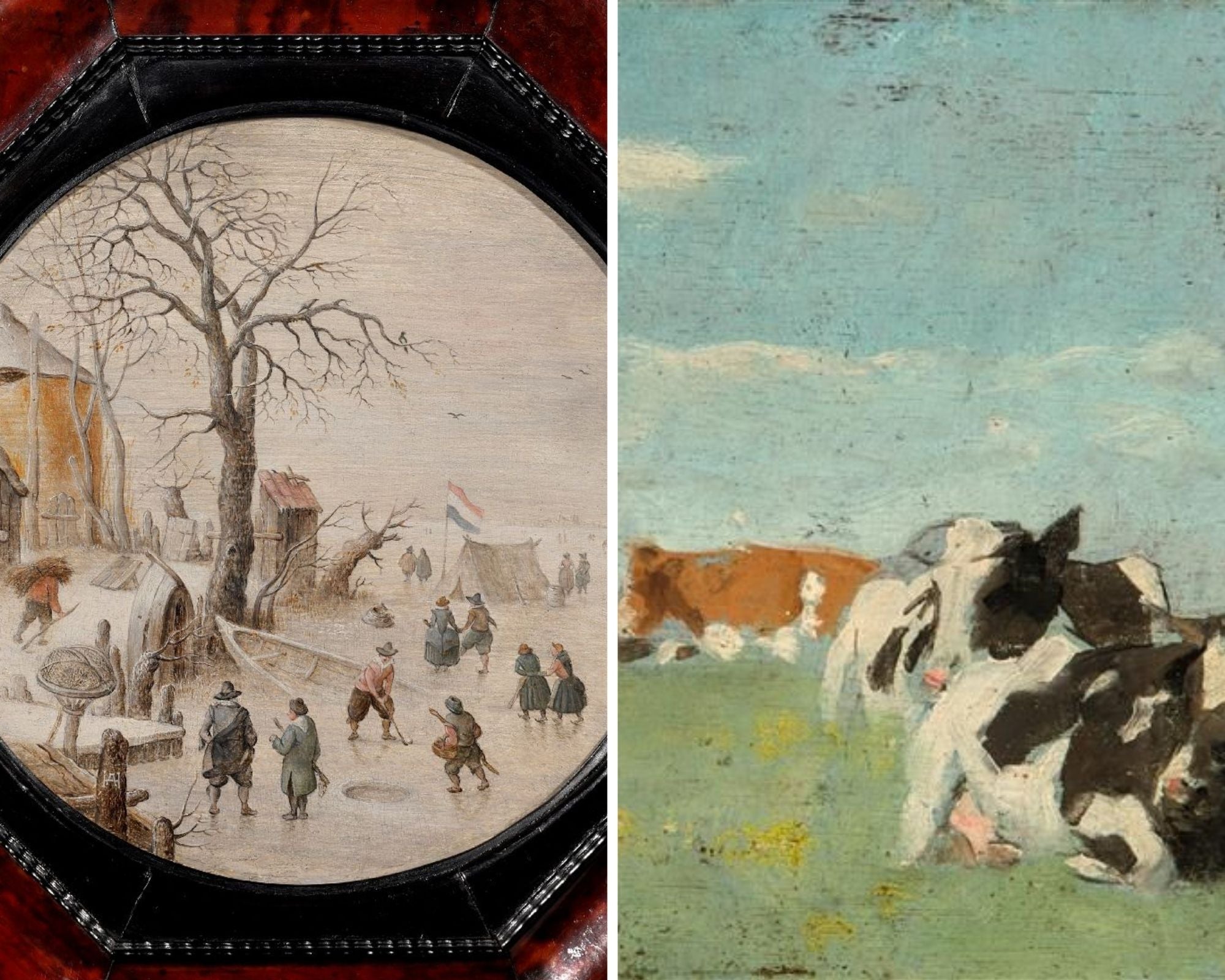
Hendrick Avercamp: Winter Landscape with Skaters
The winter of four centuries ago
In 1608, the winter was so severe that even parts of the Wadden Sea froze over. Avercamp, twenty-three years old and called 'De Stomme van Kampen' by his contemporaries, stood at the waterside and drew everything he saw: skaters, merchants and children, rich and poor together on the ice. He was the first Dutch artist to specialise in winter landscapes. What he could not express in words, he translated into paintings.
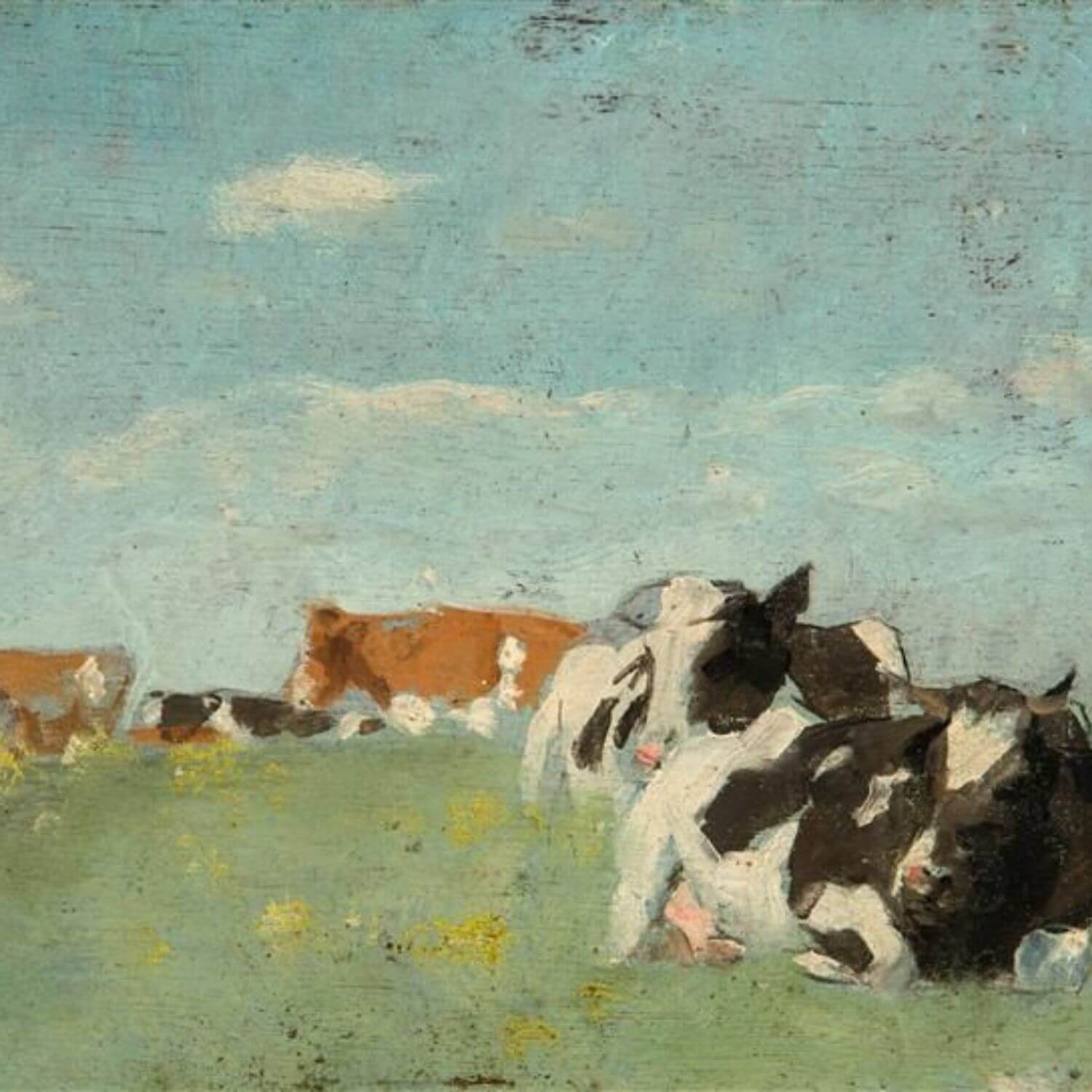
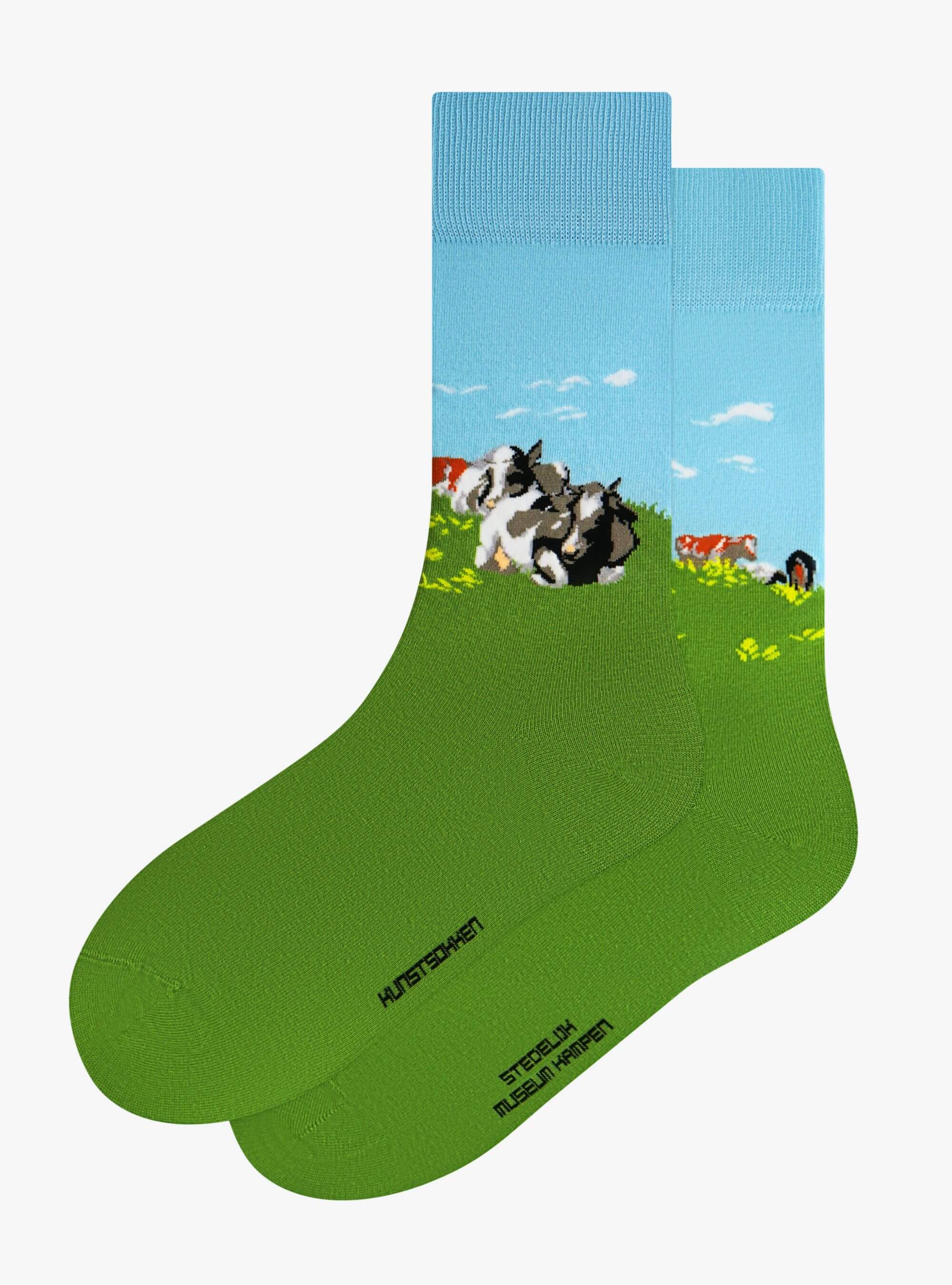
Jan Voerman sr.: Resting IJssel Cattle
The IJssel landscape, as he saw it
Voerman was born in Kampen in 1857 as the son of a cattle farmer. Cows were his childhood. After training at the Rijksakademie, he settled in nearby Hattem, from where he had a sweeping view of the IJssel and the flood plains where his own herd grazed. He barely left his paradise for the rest of his life. A critic once described his work as 'the classical apotheosis of Impressionism'.